
Katarmal Sun Temple – A Hidden Gem of Almora You Must Visit

Nestled in the serene hills of Almora district in Uttarakhand, Katarmal Sun Temple is a remarkable 9th-century temple dedicated to Surya Dev (Sun God). This architectural marvel is the second most important sun temple in India after the Konark Sun Temple in Odisha. Known for its intricate stone carvings and historical significance, Katarmal is a hidden gem for heritage lovers and spiritual seekers.
History and Significance
Built in the 9th century by the Katyuri king Katarmalla, the Katarmal Sun Temple is a testimony to the skilled artisans and religious devotion of that era. The temple showcases a blend of Katyuri architectural style and spiritual grandeur, making it a vital monument in the history of Uttarakhand’s cultural heritage.
- Dedicated to Surya Dev (Burhadita or Vraddhaditya), the temple complex also houses idols of Lord Shiva, Vishnu, Lakshmi, and Parvati.
- It is believed that the temple was used as a center of sun worship in the Himalayan region.
- The original carved wooden doors and panels were moved to the National Museum in Delhi for preservation.
Architectural Features
The Katarmal Surya Temple is situated at an altitude of around 2,116 meters above sea level, offering panoramic views of the surrounding hills.
Highlights of the Temple Architecture:
- Built with massive cut stone slabs, assembled without mortar
- Consists of 45 smaller shrines surrounding the main shrine dedicated to the Sun God
- Intricate carvings and geometric motifs reflect early Indian temple architecture
- Strategic orientation of the temple to align with the sun’s rays during specific times of the year
Location and How to Reach
- Location: Katarmal village, 19 km from Almora, Uttarakhand
- Nearest Town: Almora
- Nearest Railway Station: Kathgodam (approximately 90 km)
- Nearest Airport: Pantnagar Airport (around 125 km)
Travel Tips:
- Last 2 km needs to be covered by trekking, so wear comfortable shoes.
- Best visited during daylight for panoramic views and safety.
Best Time to Visit Katarmal Sun Temple

The best time to visit Katarmal Sun Temple is during the pleasant months from October to March, when the weather is cool, the skies are clear, and the Himalayan views are breathtaking.
Seasonal Breakdown:
Autumn (October to November) – Ideal Season
- Crisp air, clear views of the surrounding mountains
- Great for photography, trekking, and cultural exploration
- Perfect time for sunrise and sunset views from the temple complex
Winter (December to February) – Spiritual Serenity
- Chilly but manageable temperatures
- Fewer crowds – ideal for peaceful spiritual visits
- Carry warm clothes, especially during early mornings or evenings
Spring (March to April) – Pleasant Climate
- Blooming flowers and mild temperatures
- Good for combining a visit with other Almora attractions
Avoid Monsoon (July to September)
- Slippery trails and potential landslides in the hilly terrain
- Reduced visibility due to clouds and rain
- The trek to the temple becomes risky
Spiritual and Cultural Importance
- It is an active pilgrimage site, especially during Makar Sankranti, when devotees offer prayers to the Sun God.
- The temple is revered for its astrological alignment and is considered an important spot in ancient Vedic solar worship.
- Recognized by the Archaeological Survey of India (ASI) as a protected monument.
Nearby Attractions to Katarmal Sun Temple
Exploring the Katarmal Sun Temple opens up a treasure trove of scenic and spiritual destinations in the Almora region. Here are some must-visit places near the temple that add depth and variety to your travel experience in Kumaon, Uttarakhand:
1. Almora Town (Approx. 19 km)

- A cultural hub of Kumaoni heritage, famous for traditional markets, local crafts, and temples.
- Don’t miss Lala Bazaar, Gobind Vallabh Pant Museum, and Bright End Corner for stunning sunset views.
2. Jageshwar Dham (Approx. 35 km)
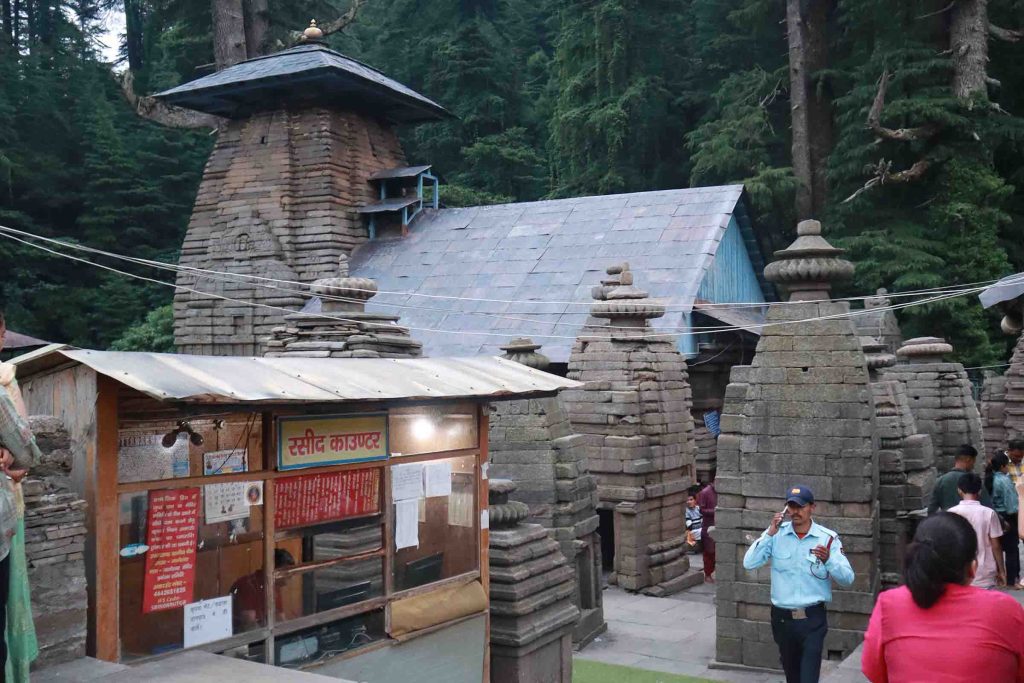
- An ancient temple complex with over 100 stone temples, dedicated to Lord Shiva.
- Nestled in a deodar forest, this is one of the 12 Jyotirlinga clusters as per some beliefs.
3. Binsar Wildlife Sanctuary (Approx. 40 km)

- A protected forest area known for rich flora and fauna, and breathtaking views of Nanda Devi and other Himalayan peaks.
- Popular for birdwatching, trekking, and eco-tourism experiences.
4. Kasar Devi Temple (Approx. 25 km)

- A mystical site known for its geomagnetic energy zone and ancient history.
- Famous among spiritual seekers and artists; Swami Vivekananda meditated here.
5. Bright End Corner (Approx. 21 km)
- A serene spot perfect for watching sunrises and sunsets over the Himalayan ranges.
- Ideal for photography and peaceful reflection.
6. Chitai Golu Devta Temple (Approx. 28 km)

- Dedicated to Golu Devta, the god of justice, this temple is famous for thousands of bells and written petitions hung by devotees.
7. Deer Park Almora (Approx. 18 km)
- A small but charming park with walking trails and chances to spot deer and other local wildlife.
- Great for families and casual nature walks.
8. Ranikhet (Approx. 55 km)

- A scenic hill station known for its lush greenery, colonial-era buildings, and panoramic views of the Himalayas.
- Visit Chaubatia Gardens, Jhula Devi Temple, and enjoy peaceful nature walks through pine forests.
Conclusion
The Katarmal Sun Temple is not just a place of worship—it is a portal to Uttarakhand’s glorious past. Whether you are a spiritual seeker, a history enthusiast, or a curious traveler, this ancient sun temple offers a rare blend of peace, history, and Himalayan beauty.