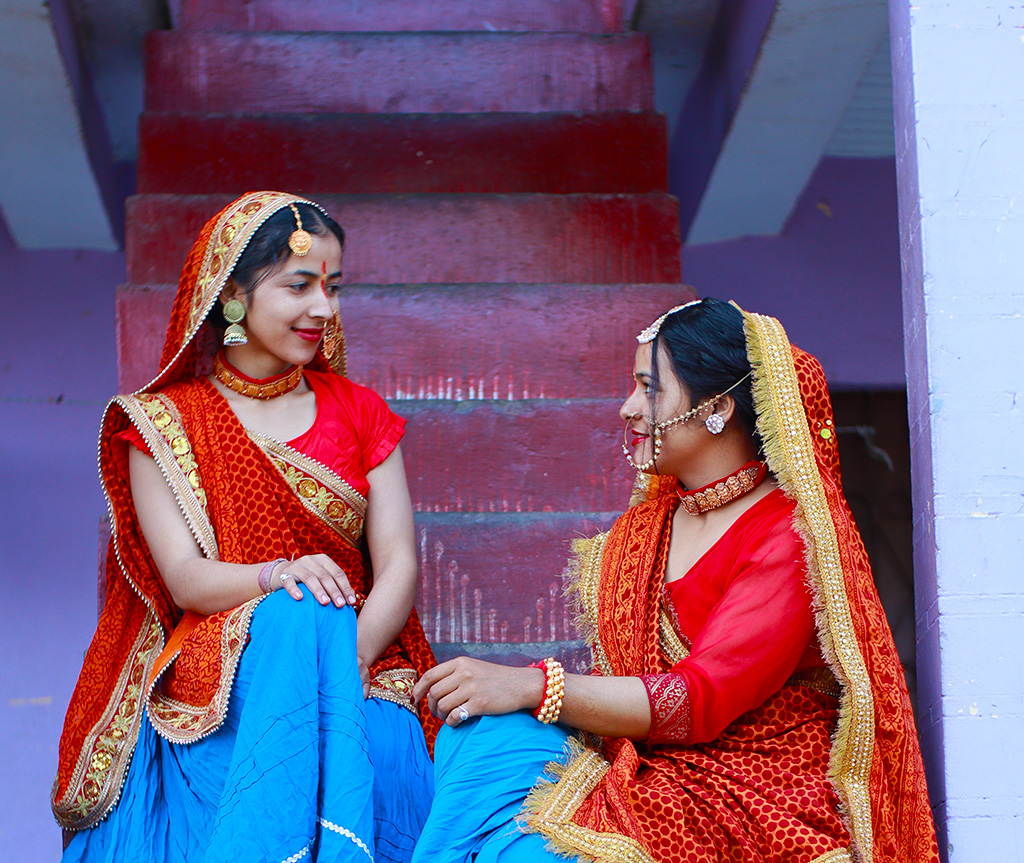
The traditional jewelry of Uttarakhand is much more than ornamental—it’s a reflection of culture, community identity, social status, and spirituality. Worn during religious rituals, festivals, and life events like weddings, this exquisite jewelry showcases the skilled craftsmanship of local artisans and the deep-rooted symbolism of the Himalayan people.
Crafted in gold, silver, copper, and mixed metals, these ornaments blend aesthetic beauty with cultural significance, representing the heritage of both Garhwal and Kumaon regions.
Cultural Importance of Traditional Jewelry in Uttarakhand
Jewelry in Uttarakhand is not just about adornment. It holds religious, social, and emotional value, often passed down as heirlooms across generations.
- Symbol of marital status and womanhood
- Integral to folk rituals, music, and dance
- Represents ethnic identity and regional pride
- Often embedded with protective and spiritual meanings
Key Types of Traditional Jewelry in Kumaon and Garhwal
The regions of Kumaon and Garhwal have unique styles of traditional jewelry. Here are the most prominent types:
1. Nath (Traditional Nose Ring)

- Worn by brides and married women.
- Kumaoni Nath: Larger, gold with delicate pearls or stones.
- Garhwali Nath: Typically heavier with intricate patterns.
- Symbolizes prosperity, marital bliss, and family pride.
2. Hansuli (Neck Ornament)
- Rigid, crescent-shaped choker, made of silver or mixed metals.
- Traditionally worn by women of both Garhwal and Kumaon.
- Denotes strength, grace, and womanhood.
3. Pahunchi (Wrist Ornament)

- A set of red and gold bangles, worn primarily by married women.
- Made of gold beads woven into red cloth or thread.
- Symbolic of love, fertility, and sacred bonding.
4. Chareu / Chandan Haar (Layered Necklace)
- Long, gold chain worn during festivals and weddings.
- Sometimes includes religious pendants or family emblems.
- Represents lineage and devotion.
5. Galobandh (Traditional Choker)

- A velvet band with metal or gold work, tied at the neck.
- Common among rural women, especially in wedding attire.
6. Tilk and Maang Tikka (Forehead Jewelry)

- Adorns the forehead, worn by brides.
- Represents the third eye chakra and spiritual awareness.
7. Bichuwa (Toe Rings)
- Silver rings worn by married women on the toes.
- Indicates marital status and balances body energies per Ayurvedic belief.
Materials and Craftsmanship Techniques
Traditional jewelry in Uttarakhand is crafted using:
- Silver – most commonly used due to availability and affordability
- Gold – reserved for special occasions and elite families
- Copper and mixed metals – for ceremonial or folk purposes
- Beads, stones, coral, and thread – especially in tribal jewelry
Artisans often use hand tools, filigree techniques, and lost-wax casting methods to create intricate patterns and religious motifs.
Jewelry in Festivals and Ceremonies
Traditional jewelry plays an essential role in Uttarakhand’s cultural celebrations, such as:
- Weddings – Nath, Hansuli, Pahunchi, and Galobandh are must-wear pieces.
- Harela & Bisu festivals – Symbolic jewelry offerings to deities.
- Folk dances (like Jhora, Chholiya) – Performers wear jewelry to enhance movement and expression.
- Religious rituals – Specific pieces are worn to invoke divine blessings.
Tribal and Regional Variations
Certain tribal communities in Uttarakhand, such as the Bhotiyas, Rangs, and Van Gujjars, have their unique jewelry styles:
- Use of turquoise, coral, yak bone, and wool-threading
- Minimalist but deeply spiritual and nature-inspired designs
- Often used in nomadic or seasonal migration rituals
Modern Revival and Contemporary Adaptation
While urbanization and fashion trends led to a decline in traditional jewelry use, recent years have seen a resurgence in demand for ethnic and sustainable adornments:
- Young designers are blending traditional motifs with modern aesthetics.
- Women’s self-help groups and artisans are selling jewelry via e-commerce and exhibitions.
- Tourism-driven demand for souvenir jewelry and replica Nath or Hansuli is growing.
Where to Find and Buy Traditional Jewelry in Uttarakhand
You can explore and purchase traditional jewelry in:
- Local markets of Almora, Nainital, Pauri, and Srinagar (Garhwal)
- Handicraft fairs like Uttarakhand Mahotsav, Nanda Devi Mela, and Surajkund Mela
- Online from certified artisans’ cooperatives and heritage craft stores
Always look for locally sourced and ethically crafted pieces that support artisan livelihoods.
Conclusion
The traditional jewelry of Uttarakhand is a timeless symbol of heritage, beauty, and spiritual symbolism. Every nose ring, bangle, or necklace carries a legacy of faith, craftsmanship, and identity. By wearing or supporting these art forms, we honor the cultural soul of the Himalayas and empower the communities that keep these traditions alive.