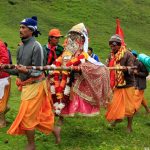

Embark on the Panch Kedar Yatra, a revered pilgrimage through the Garhwal Himalayas of Uttarakhand. This spiritual journey encompasses five ancient temples—Kedarnath, Tungnath, Rudranath, Madhyamaheshwar, and Kalpeshwar—each dedicated to Lord Shiva and steeped in mythological significance. Traversing these sacred sites offers devotees not only divine blessings but also an immersive experience amidst the majestic Himalayan landscapes.
The Legend Behind Panch Kedar
According to Hindu mythology, after the Kurukshetra war, the Pandavas sought Lord Shiva’s forgiveness for their sins. To avoid them, Shiva disguised himself as a bull and hid in the Himalayas. When Bhima recognized him, Shiva vanished into the earth, reappearing in five different forms at five locations:
- Kedarnath: Hump of the bull
- Tungnath: Arms
- Rudranath: Face
- Madhyamaheshwar: Navel
- Kalpeshwar: Hair (Jata)
The Five Temples of Panch Kedar
1. Kedarnath Temple

- Significance: Represents Lord Shiva’s hump; one of the twelve Jyotirlingas.
- Location: Near the Mandakini River in Rudraprayag district.
- Access: 16 km trek from Gaurikund.
- Best Time to Visit: May to October (closed during winter due to snowfall).
2. Tungnath Temple
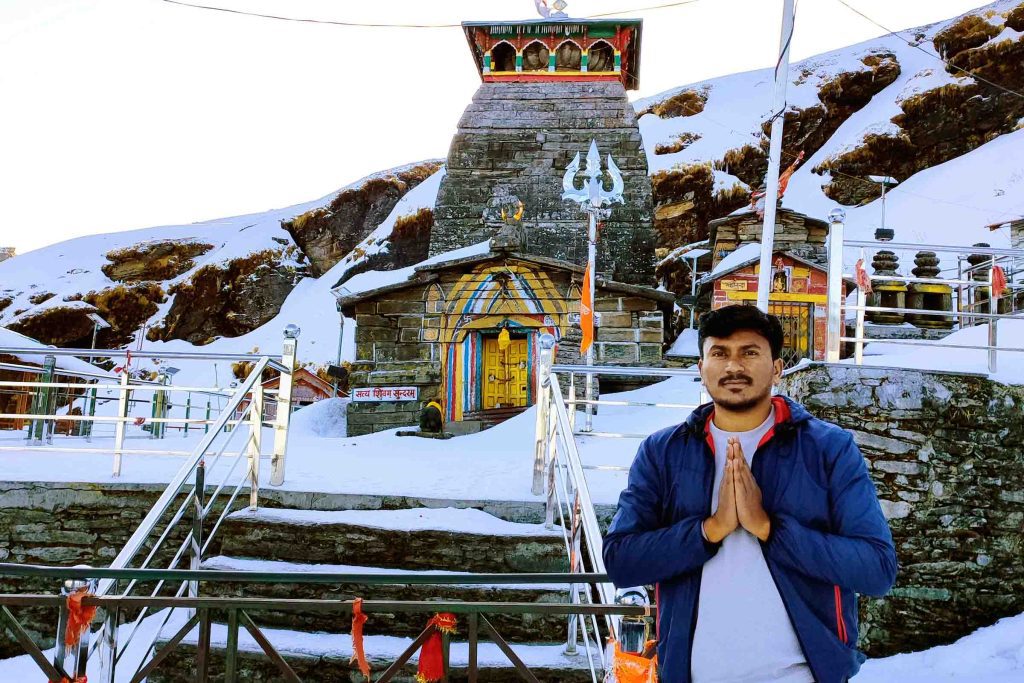
- Significance: Symbolizes Shiva’s arms; the highest Shiva temple globally.
- Location: Rudraprayag district.
- Access: 4 km trek from Chopta.
- Highlights: Proximity to Chandrashila Peak offers panoramic Himalayan views.
3. Rudranath Temple

- Significance: Depicts Shiva’s face.
- Location: Chamoli district.
- Access: 20 km trek from Sagar village.
- Features: Surrounded by sacred pools like Surya Kund, Chandra Kund, and Manas Kund.
4. Madhyamaheshwar Temple

- Significance: Represents Shiva’s navel.
- Location: Rudraprayag district.
- Access: 19 km trek from Ransi village.
- Scenery: Encircled by snow-capped peaks like Chaukhamba.
5. Kalpeshwar Temple

- Significance: Denotes Shiva’s hair (Jata).
- Location: Chamoli district.
- Access: 2 km trek from Urgam village.
- Unique Aspect: Only Panch Kedar temple open year-round.
Panch Kedar Yatra Route
The traditional sequence of the Panch Kedar pilgrimage is as follows:
- Kedarnath
- Tungnath
- Rudranath
- Madhyamaheshwar
- Kalpeshwar
Trekking Details
Each temple requires a distinct trek, varying in difficulty: Kedarnath: 16 km from Gaurikund; challenging due to steep ascents.
- Tungnath: 4 km from Chopta; moderate trek through alpine meadows.
- Rudranath: 20 km from Sagar village; strenuous trek through dense forests.
- Madhyamaheshwar: 19 km from Ransi village; moderate difficulty with scenic vistas.
- Kalpeshwar: 2 km from Urgam village; relatively easy trek.
Best Time to Visit
- May to June (Summer): Pleasant weather; ideal for trekking.
- September to October (Post-Monsoon): Clear skies and rejuvenated landscapes.
Travel Tips for Pilgrims
- Physical Preparation: Engage in regular exercise to build stamina for the treks.
- Essential Gear: Carry warm clothing, rain gear, sturdy trekking shoes, first-aid kit, and sufficient water.
- Accommodation: Basic guesthouses and dharamshalas are available; advance booking is recommended during peak season.
- Local Guides: Hiring local guides can enhance the experience and ensure safety.
- Permits: Check for any required permits or permissions before embarking on the treks.
How to Reach Panch Kedar
- By Air: Nearest airport is Jolly Grant Airport, Dehradun.
- By Rail: Nearest railway station is Haridwar.
- By Road: Well-connected by roads; buses and taxis available from major cities like Rishikesh and Haridwar.
Conclusion
The Panch Kedar Yatra offers a unique blend of spiritual fulfillment and adventurous trekking through some of Uttarakhand’s most pristine landscapes. Whether you seek divine blessings or a transformative journey amidst nature, this pilgrimage stands as a testament to devotion, endurance, and the timeless allure of the Himalayas.