
Nestled in the serene valleys of Uttarakhand, the Panch Badri refers to five sacred temples dedicated to Lord Vishnu. These temples—Badrinath (Vishal Badri), Yogdhyan Badri, Bhavishya Badri, Vridha Badri, and Adi Badri—form a significant pilgrimage circuit in the Garhwal Himalayas. Each shrine holds unique mythological significance and offers devotees a spiritual journey through the divine landscapes of the region.
The Five Temples of Panch Badri
1. Badrinath (Vishal Badri)
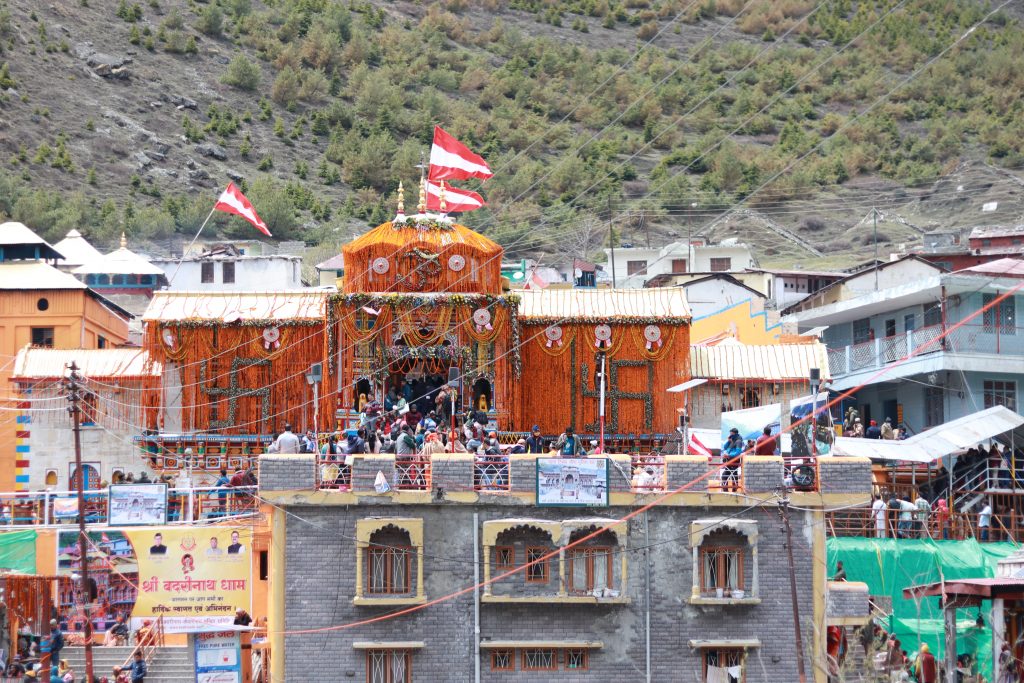
- Location: Chamoli district, at an altitude of 3,133 meters.
- Significance: The most prominent among the Panch Badri, Badrinath is also part of the Char Dham Yatra. It is believed that Lord Vishnu meditated here under the Badri tree, leading to the temple’s name.
- Key Features:
- Home to the sacred Tapt Kund hot springs.
- Surrounded by the Nar and Narayan mountain ranges.
- Nearby attractions include Mana Village and Vasudhara Falls.
2. Yogdhyan Badri
- Location: Pandukeshwar, approximately 24 km from Badrinath.
- Significance: Associated with King Pandu, father of the Pandavas, who meditated here seeking absolution. The temple houses a meditative idol of Lord Vishnu.
- Unique Aspect: Remains open throughout the year, even when Badrinath is closed during winters.
3. Bhavishya Badri
- Location: Near Joshimath, at an altitude of 2,744 meters, accessible via a 6 km trek from Tapovan.
- Significance: Believed to be the future abode of Lord Vishnu when Badrinath becomes inaccessible due to natural calamities.
- Attractions: Surrounded by dense forests, offering a tranquil ambiance for meditation and reflection.
4. Vridha Badri
- Location: Animath Village, about 7 km from Joshimath.
- Significance: It is said that Lord Vishnu appeared here in the form of an old man, hence the name “Vridha” (old). This temple is considered the oldest among the Panch Badri.
- Unique Experience: Its remote and quiet location provides a serene environment for meditation.
5. Adi Badri

- Location: 17 km from Karnaprayag, part of the group of temples known as the Adi Badri group.
- Significance: Believed to have been built by Adi Shankaracharya, this temple symbolizes the presence of Vishnu in the lower Himalayas.
- Architectural Beauty: The temple complex consists of 16 small temples, with the main shrine dedicated to Lord Vishnu.
Religious and Spiritual Significance
The Panch Badri circuit reflects the rich spiritual and mythological heritage of Uttarakhand. Pilgrims believe that visiting these temples helps in attaining salvation and blessings from Lord Vishnu. Each temple has its unique history, legends, and architectural style, adding to its charm and significance.
Best Time to Visit Panch Badri
- Summer (May to June): Ideal for a comfortable pilgrimage experience.
- Autumn (September to October): Pleasant weather and clear views of the surrounding mountains.
- Winter (November to April): Some temples may remain closed due to heavy snowfall, but Yogdhyan Badri stays open.
How to Reach Panch Badri
Reaching the Panch Badri temples, scattered across the Garhwal Himalayas in Uttarakhand, requires a combination of road travel, trekking, and in some cases, well-planned stops due to high altitude. Here’s a comprehensive travel guide:
By Air
- Nearest Airport: Jolly Grant Airport, Dehradun (approx. 300–310 km from Badrinath)
- Connectivity: The airport is well-connected with major Indian cities like Delhi, Mumbai, and Lucknow.
- From Airport: Hire a taxi or take a bus to Joshimath or Pipalkoti as your base point to visit all Panch Badri temples.
By Rail
- Nearest Railway Stations:
- Haridwar Railway Station (around 275 km from Joshimath)
- Rishikesh Railway Station (slightly closer but limited connectivity)
- From Station: Taxis and buses are available from Haridwar and Rishikesh to reach Joshimath, Badrinath, and other Badri temples.
By Road
Uttarakhand has a good road network, especially for pilgrimages. The National Highway 7 (NH-7) connects Rishikesh to Badrinath.
Key Road Routes:
- Delhi → Haridwar → Rishikesh → Devprayag → Rudraprayag → Joshimath → Badrinath
- Joshimath serves as a central base to explore Yogdhyan Badri, Vridha Badri, and Bhavishya Badri.
- Adi Badri is accessible from Karnaprayag (around 19 km away).
Local Transport Options
- Taxis: Available in Joshimath, Chamoli, and Karnaprayag.
- Shared Jeeps: Operate between smaller villages.
- Buses: Limited state-run buses operate during the yatra season.
- Trekking: Bhavishya Badri requires a 6 km trek from Tapovan, so be prepared with good footwear.
Travel Tips for Panch Badri Yatra
- Acclimatization: Spend a day acclimatizing in Joshimath to prevent altitude sickness.
- Clothing: Carry warm clothing, as temperatures can drop significantly, especially at higher altitudes.
- Footwear: Wear comfortable trekking shoes for the Bhavishya Badri trek.
- Permits: Check for any required permits or passes, especially during peak seasons.
- Local Guides: Hiring local guides can enhance your understanding of the temples’ histories and legends.
Conclusion
Embarking on the Panch Badri Yatra offers a unique blend of spiritual enrichment and natural beauty. Each temple, with its distinct significance and serene surroundings, provides devotees with a profound connection to Lord Vishnu. Whether you’re seeking spiritual solace or exploring the rich cultural tapestry of Uttarakhand, the Panch Badri circuit promises an unforgettable journey.