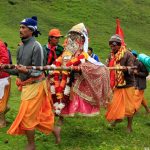
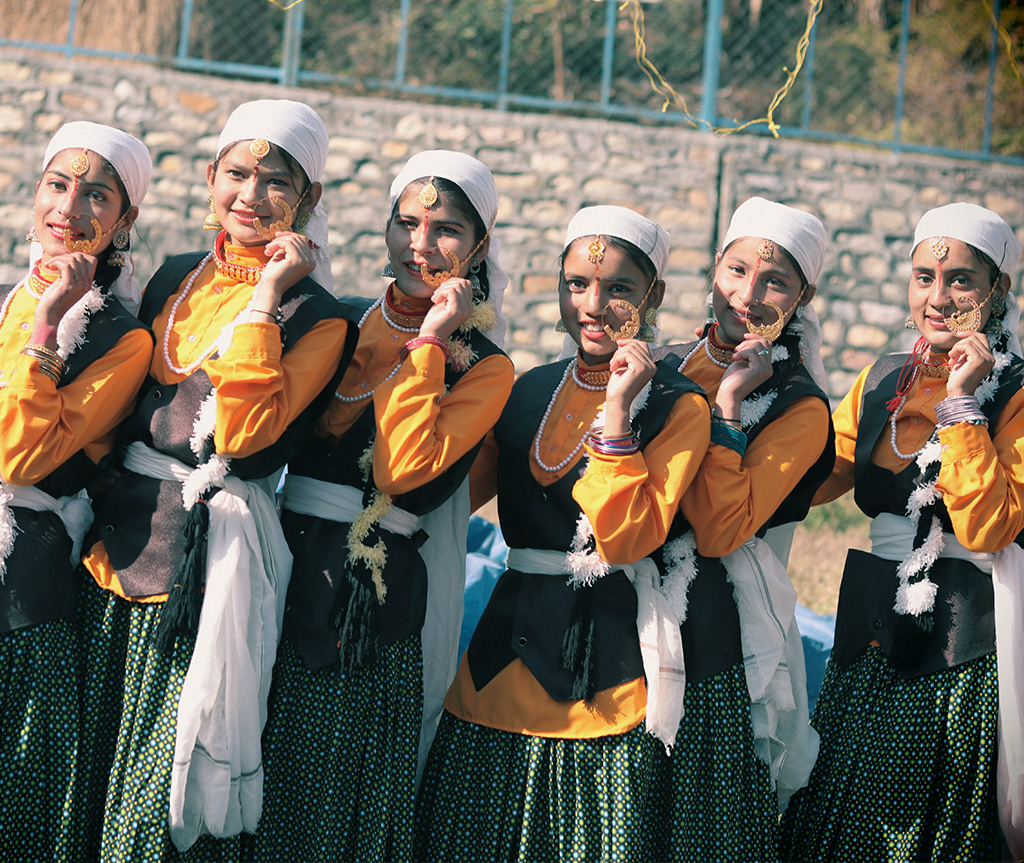
The music and dance traditions of Uttarakhand are an inseparable part of the state’s cultural identity. Rooted in the rhythms of nature and everyday life, these folk art forms reflect the joys, struggles, rituals, and spiritual beliefs of the people of the Himalayas. Passed down through generations, Garhwali and Kumaoni folk songs and traditional dances are performed during festivals, seasonal changes, weddings, and religious occasions.
Cultural Significance of Music and Dance in Uttarakhand
Music and dance in Uttarakhand go beyond entertainment—they are deeply connected with:
- Religious devotion and rituals
- Agricultural and seasonal festivals
- Community bonding and oral history
- Celebrations of birth, marriage, and harvests
These traditions are preserved by village elders, community performers, and cultural institutions, maintaining a vital link between generations.
Popular Folk Music Forms of Uttarakhand
Uttarakhand’s folk music is a soulful expression of life in the hills—its joys, hardships, nature, faith, and rituals. Each song and melody tells a story passed down through generations, keeping alive the oral traditions of the Garhwal and Kumaon regions. These songs are typically sung during agricultural activities, religious ceremonies, and life milestones, often accompanied by traditional instruments like dhol, damau, turri, and ransingha.
1. Jagar – The Spiritual Invocation
- Jagar is a ritualistic form of devotional folk singing performed to invoke local deities and ancestral spirits.
- It is commonly used during healing ceremonies, spirit possession rituals, and night vigils.
- The lead singer, called the Jagariya, sings mythological stories with rhythmic beats of dhol and damau.
- It represents the shamanistic and spiritual depth of Uttarakhand’s rural traditions.
2. Mangal Geet – Auspicious Wedding Songs
- Sung primarily by women during weddings, thread ceremonies, and housewarming rituals.
- These songs convey blessings for the bride and groom, praise for the families, and often include humor and satire.
- Rich in cultural context and regional dialects, Mangal Geet reflects the communal joy and emotional bonding of village life.
3. Basanti Geet – Songs of Spring
- Sung during the spring season, especially around Basant Panchami.
- Expresses joy for new life, blooming flowers, and the end of winter.
- Lyrics often mention birds, rivers, and gods like Shiva and Parvati.
- Performed in groups, often accompanied by simple instruments and clapping.
4. Chhopati – Romantic Folk Duets
- A light-hearted, interactive singing style performed by men and women in a call-and-response format.
- Popular in both Garhwal and Kumaon, often during fairs or community gatherings.
- Focuses on love, teasing, flirtation, and village gossip.
- Accompanied by instruments like dholak and harmonium.
5. Bhajan and Devotional Music
- Sung in temples and during festivals, especially in devotion to local deities like Nanda Devi, Golu Devta, Mahasu Devta, and Lord Shiva.
- Usually performed with harmonium, tabla, manjira, and dholak.
- Lyrics are derived from Puranic tales and regional mythology.
- Devotional folk singers also compose and perform original bhajans in Garhwali and Kumaoni dialects.
6. Khuded – Songs of Separation
- A poignant form of music that expresses longing, grief, and love.
- Often sung by women missing their husbands working in cities or in the army.
- Captures the emotional core of the pahadi lifestyle, especially the reality of migration and isolation in the hills.
7. Nyoli – Songs of Melancholy
- Originates from Kumaon, sung solo with a slow, emotional tone.
- Focuses on sorrow, longing, or devotion, often performed by shepherds and travelers.
- Typically sung without instruments, relying on voice modulation and depth of emotion.
Traditional Instruments Used in Folk Music
To accompany these folk songs, musicians use unique Himalayan instruments that add authenticity and rhythm:
- Dhol & Damau – Main percussion instruments; used in almost all ceremonies.
- Turri & Ransingha – Traditional brass wind instruments used to signal or open ceremonies.
- Bhankora – Trumpet-like instrument used in processions and dance dramas.
- Thali & Hurka – Percussive tools used mainly in devotional or women’s songs.
- Algoza, Flute, Masakbeen – Wind instruments used for melodic tunes in open gatherings.
Traditional Dances of Uttarakhand
The folk dances of Uttarakhand are rhythmic expressions of the state’s joy, faith, and community bonding. Most are performed in groups, with colorful costumes and synchronized footwork.
1. Barada Nati (Jaunsar)
- A traditional dance of Jaunsar-Bawar region in Garhwal.
- Performed during religious processions and festivals.
- Involves martial art-like movements, colorful attire, and high energy.
2. Jhora (Kumaon)
- Performed in a circular formation by men and women holding hands.
- Celebrates harvests, social gatherings, and seasonal changes.
- No instruments used—only the power of group singing and clapping.
3. Chholiya (Kumaon)
- A sword dance performed during weddings and rituals.
- Originated as a martial dance to ward off evil spirits.
- Features traditional attire, shields, swords, and rhythmic drum beats.
4. Langvir Nritya (Garhwal)
- A rare acrobatic dance form performed by men on bamboo poles.
- Showcases strength, balance, and martial tradition.
- Often seen during religious fairs and cultural showcases.
5. Pandav Nritya
- Based on stories from the Mahabharata, especially the Pandavas’ exile and war.
- Performed in the form of narrative dance-drama over multiple nights.
- Combines dance, singing, and dialogue.
Role of Music and Dance in Uttarakhand Festivals
Music and dance play a central role in the festivals of Uttarakhand, energizing community participation and spiritual fervor.
- Harela Festival – Basanti Geet and Jhora performances
- Uttarakhand Mahotsav – Chholiya and Langvir Nritya displays
- Nanda Devi Raj Jat Yatra – Devotional singing and traditional dances
- Ghughutiya, Bhitauli, Ghee Sankranti – Family songs and celebratory tunes
Preservation and Revival Efforts
Efforts to preserve Uttarakhand’s folk culture include:
- Cultural organizations like Lok Chetna Manch and Natraj Kala Sansthan
- Government-sponsored events such as Kumaon Festival and Garhwal Mahotsav
- Integration of folk performances in school curricula and local tourism initiatives
- Digital platforms promoting Garhwali and Kumaoni music online
Conclusion
The music and dance traditions of Uttarakhand offer a mesmerizing window into the soul of the mountains. Rooted in spirituality, history, and the rhythms of daily life, these art forms are not only entertaining but educational and culturally significant. As tourism and digital platforms grow, there’s an opportunity to celebrate and preserve this Himalayan cultural heritage for future generations.