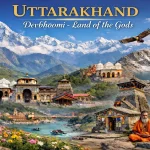
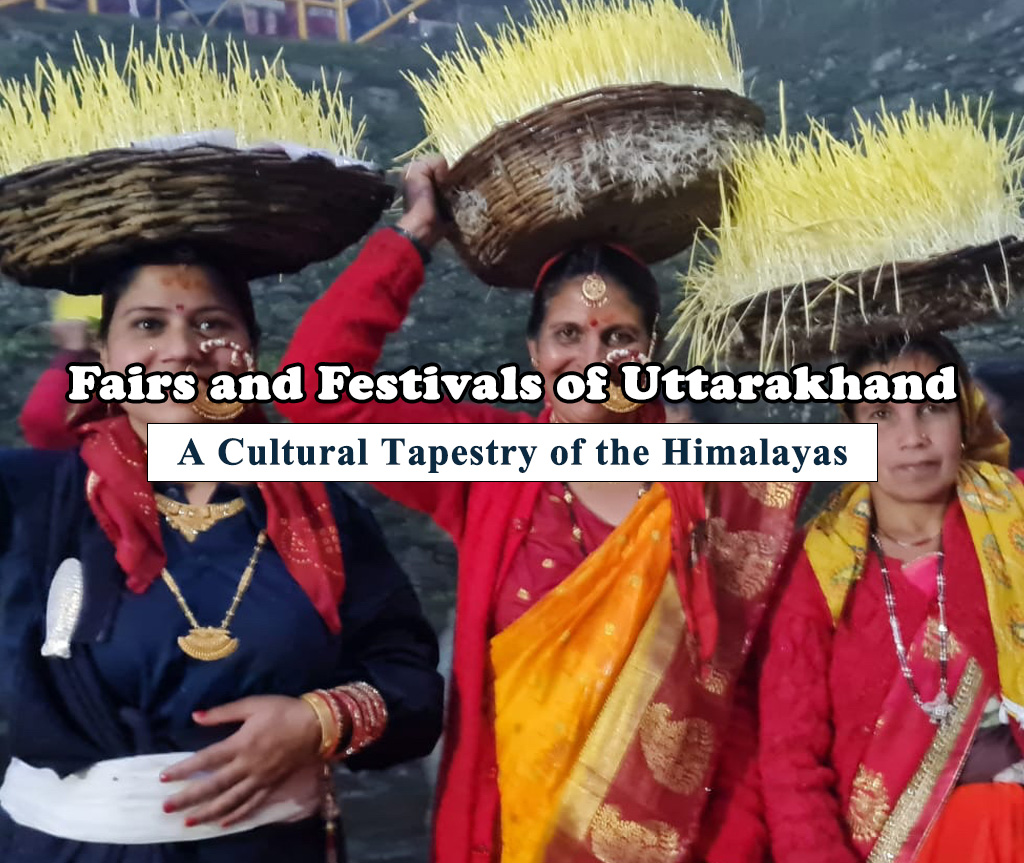
Uttarakhand, often referred to as Dev Bhoomi (Land of the Gods), is a vibrant mosaic of cultural heritage, where spirituality, tradition, and community converge. The state’s fairs and festivals are not merely events; they are profound expressions of its rich history, diverse communities, and deep-rooted beliefs. From sacred pilgrimages to exuberant harvest celebrations, each festival offers a unique glimpse into the soul of Uttarakhand.
Major Religious Festivals and Pilgrimages
Nanda Devi Raj Jat Yatra
Held once every 12 years, the Nanda Devi Raj Jat Yatra is a significant pilgrimage honoring Goddess Nanda Devi. The arduous trek traverses the Garhwal Himalayas, culminating at the sacred Homkund. This yatra is a testament to the unwavering faith and resilience of the devotees.
Hemkund Sahib Yatra
Commencing in May, the Hemkund Sahib Yatra attracts Sikh pilgrims from around the globe. Situated in Chamoli district, Hemkund Sahib is one of the highest Gurudwaras in the world, nestled amidst the serene Himalayas.
Kailash Mansarovar Yatra
Resuming in 2025 after a hiatus, the Kailash Mansarovar Yatra is a sacred journey for Hindus, Buddhists, Jains, and Bon followers. Pilgrims undertake this spiritual expedition to Mount Kailash and Lake Mansarovar, believed to purify the soul.
Pushkar Kumbh Mela
After 12 years, the Pushkar Kumbh Mela returned to Mana village in May 2025. Held at the confluence of the Alaknanda and Saraswati rivers, this grand event draws millions seeking spiritual cleansing and enlightenment.
Kanwar Yatra
During the monsoon months, millions of Shiva devotees, known as Kanwariyas, embark on the Kanwar Yatra. They collect holy water from the Ganges in Haridwar and carry it across vast distances to offer at their local Shiva temples.
Cultural and Seasonal Festivals
Phool Dei
Celebrated in March, Phool Dei marks the onset of spring. Young girls adorn doorsteps with fresh flowers and offer traditional delicacies, symbolizing prosperity and well-being.
Harela and Bhitauli
Harela, observed in July, signifies the beginning of the monsoon and the sowing season. Families plant saplings, promoting environmental consciousness. Bhitauli, celebrated in April, involves brothers sending gifts to their sisters, strengthening familial bonds.
Kumaoni Holi
Distinct from the conventional Holi, Kumaoni Holi is a musical celebration extending over two months. It encompasses Baithki Holi, Khari Holi, and Mahila Holi, each characterized by classical ragas and communal harmony.
Gaura Parva (Saton–Athon)
Celebrated in August-September, Gaura Parva commemorates the divine union of Goddess Gauri (Parvati) and Lord Shiva. Predominantly observed in the Kumaon region, it features traditional songs and dances, reflecting the region’s rich cultural tapestry.
Ghughutiya Festival
Ghughutiya is a traditional festival mainly observed in parts of Uttarakhand, especially in the Kumaon region. It is closely linked to the changing seasons and local customs, reflecting the deep connection between the people and nature.
Naag Panchami
Naag Panchami is an important Hindu festival dedicated to the worship of Nāgas (serpents). It is observed with great devotion throughout Uttarakhand, especially in rural and temple-centric communities, where serpent deities are revered as protectors of nature, water sources, and fertility.
Kandali Festival
A unique celebration occurring once every 12 years, the Kandali Festival is observed by the Rung community in Pithoragarh. It marks the blooming of the rare Kandali flower and includes traditional dances and rituals symbolizing the triumph of good over evil.
Ghee Sankranti
Ghee Sankranti, locally known as Olgia, is a unique traditional festival celebrated in Uttarakhand’s hill regions, especially in the Garhwal division. It marks the beginning of the harvesting season and serves as a cultural expression of gratitude toward craftsmen and nature.
Ganga Dussehra
Ganga Dussehra is a sacred Hindu festival that marks the divine descent of the River Ganga from heaven to Earth. Celebrated with immense fervor in Uttarakhand, especially in Haridwar, Rishikesh, and Gangotri, this festival honors Mother Ganga as the life-giving goddess who purifies sins and blesses humanity.
Khatarua Festival
The Khatarua Festival—also known as Khatarwa, Khatdawa, or Khatdu—is a vibrant cultural celebration deeply rooted in the agrarian and pastoral traditions of the Kumaon region in Uttarakhand, India. Observed annually on the first day of the Hindu month of Ashwin (mid-September), this festival marks the transition from monsoon to autumn and underscores the community’s reverence for livestock and nature.
Bikhoti Tyohar (Besakhi)
Bikhoti Tyohar, also popularly known as Besakhi, is a vibrant and significant traditional festival celebrated predominantly in the Kumaon region of Uttarakhand. It marks the onset of the harvest season and is a time of joy, thanksgiving, and cultural expression for the local farming communities.
International Yoga Festival – A Global Celebration of Yoga in Rishikesh
The International Yoga Festival (IYF) is a globally renowned event that brings together yoga enthusiasts, spiritual leaders, and wellness seekers from around the world. Held annually at Parmarth Niketan Ashram in Rishikesh, the festival offers a unique opportunity to experience various yoga styles, meditation sessions, spiritual discourses, and cultural performances in the serene setting of the Himalayas and the sacred Ganges River.
Prominent Regional Fairs
Nanda Devi Mela
Held annually in September across various locations like Almora and Bageshwar, the Nanda Devi Mela honors Goddess Nanda Devi. The fair showcases religious rituals, folk performances, and local crafts, attracting devotees and tourists alike.
Uttarayani Fair
Celebrated in January, the Uttarayani Fair coincides with Makar Sankranti. Major celebrations occur in Bageshwar, featuring traditional dances like Chholiya, local crafts, and a vibrant marketplace.
Magh Mela
Held in January in Uttarkashi, the Magh Mela is a spiritual gathering where devotees take a holy dip in the Bhagirathi River. The fair includes religious ceremonies, cultural programs, and showcases traditional handicrafts.
Syalde Bikhauti Mela
This fair, celebrated in April, is known for its unique rituals and vibrant cultural expressions. It offers a glimpse into the traditional lifestyle and beliefs of the local communities.
Purnagiri Mela
Purnagiri Mela is among the largest religious gatherings in Uttarakhand, attracting lakhs of devotees each year. Held at the revered Purnagiri Temple, one of the 108 Shaktipeethas, the fair is a powerful blend of faith, devotion, and spiritual fervor. Pilgrims from Uttarakhand, Uttar Pradesh, Bihar, and even Nepal undertake this arduous journey to seek blessings from Goddess Purnagiri, a manifestation of Adi Shakti (Divine Mother).
Kumbh Mela – The Grand Confluence of Faith
Location: Haridwar, Uttarakhand
Held Every: 12 years (Kumbh), 6 years (Ardh Kumbh)
Next Kumbh Mela in Haridwar: 2033
Kumbh Mela is the largest spiritual gathering on Earth, where millions of devotees come together to take a holy dip in sacred rivers. Among the four cities that host the Mela—Haridwar, Prayagraj, Ujjain, and Nashik—Haridwar holds special importance as the gateway to the Himalayas and the origin of the Ganga River’s journey.
Festivals Promoting Environmental and Social Harmony
Harela Mela
Beyond its agricultural significance, the Harela Mela, held in July, emphasizes environmental conservation. Communities engage in tree planting, cultural performances, and discussions on ecological sustainability.
Bissu Mela
Celebrated in April by the Jaunsari tribe in Jaunsar-Bawar, Bissu Mela marks the harvest season. The fair features traditional wrestling, folk music, and dance, fostering community spirit and cultural preservation.
Conclusion
Uttarakhand’s fairs and festivals are a testament to its rich cultural heritage and spiritual ethos. They offer a unique opportunity to experience the state’s traditions, communal harmony, and the profound connection between its people and nature. Engaging with these celebrations provides deeper insights into the vibrant tapestry that defines Uttarakhand.