
Chandrashila Trek
Chandrashila Trek – Collect The Enthralling Moments of Your Life
Chopta Valley, situated at an altitude of 2,680 meters, is surrounded by a towering forest of oak, deodar, and rhododendron, which give pleasant shade to an abundance of plants. Due to its remote location from the next major city, the valley has avoided urbanization. One of the attractions of the Chandrashila Trek is the unrestricted Himalayan views. The trek to the summit of Chandrashila is generally recognized as one of the most breathtaking in the Himalayan Garhwal area. It runs through some gorgeous fields as well as some gravel roads. From the top, you can see several Himalayan peaks, such as Nanda Devi (7,817 m), Trishul (7,120 m), Kedarnath (6,831 m), Bandarpunch (6,316 m), and Chaukhamba (7,138 m).
Traveling from Chopta to Tungnath at an elevation of 3,680 meters, requires an early start. You can find one of the five Panch Kedars, this holy site against the Chandrashila mountain. It is thought that Tungnath is more than a thousand years old, and its mythology validates the Mahabharata’s accounts. From the Chandrashila top, which one can reach after an additional hour-long climb from the Tungnath temple, one can see the silvery sheen of the Himalayan range, which is dotted with many peaks, as well as all of the lush valleys and deep gorges.
The Perfect Time to Visit Chandrashila Trek
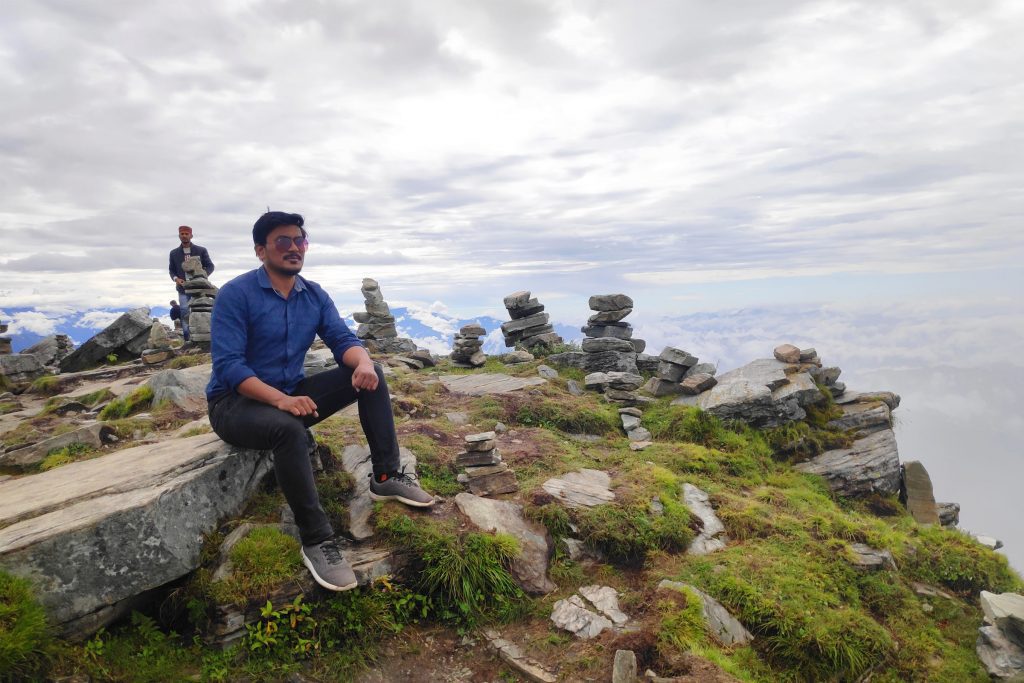
Best time to visit Chandrashila Trek: April to June and December to February are the two most lovely months to visit Chopta (Oct to Dec). The best time to visit Chopta for winter walks is between the months of January and March. Despite the summers being hot and humid, Chopta has a favorable climate. At certain times of day, particularly early morning and late evening, it is possible to view the Himalayas in their entirety and feel a pleasant wind. Pack some lightweight woolens if the weather becomes chilly.
As the rainy season begins in Chopta, the scenery becomes greener. While the monsoons make walking more difficult and road closures due to landslides are possible, Chopta’s breathtaking natural splendor during the rainy season makes the additional effort worthwhile. Umbrellas and water-resistant apparel are strongly recommended. Fewer hotels are available when snow covers the countryside, and fewer people travel in the winter months. However, Chopta is at its most beautiful, and the voyage is at its most challenging during the winter. Warm, substantial woolens are essential, so pack accordingly.
The way through Chandrashila trek
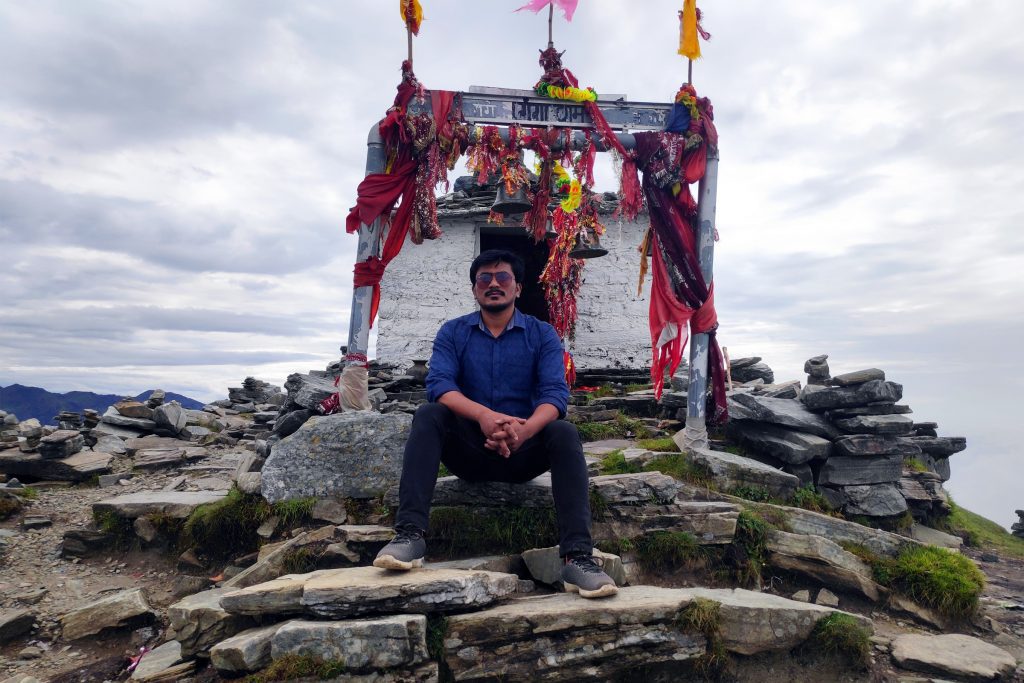
This spectacular ascent demands some effort to complete. Along the path, which traverses woodlands and broad meadows, there are stunning views of the snow-capped peaks of the Himalayas. From the summit, views of the surrounding landscape and mountains are visible, including Chaukhamba, Kedarnath, Nanda Devi, and Trishul. Chandrashila makes reference to moon rocks. On the Chopta Chandrashila trek, hikers will ascend around 1,300 meters (4,100 ft). It is possible to see the peaks of Nandadevi, Trishul, Kedar Peak, Bandarpunch, and Chaukhamba from Changrashila. The region is the subject of many legends and tales. After killing the demon King Ravana, one of them says that Lord Rama came here to reflect. According to one such legend, the moon goddess Chandra conducted penance at this location. Some of the most beautiful mountains in the world are in the Himalayas, and one of the best things about this place to go trekking is that it has a 360-degree view of the Himalayas.
Best of Deoria Tal Chandrashila Trek
Diverse forests To start things off, our Deoria tal woodland walk is the longest and most comprehensive of all the forest treks we provide. If you ride the portion of the trail between Deoria tal Lake and Bhrujgali Camp, you will get a good idea of how different the forest may be. The environment along the road varies drastically, with some portions crossing through deep forest, others through moss-covered, meandering tunnels, and others passing through the more open jungle.
There are several bird species to observe and photograph. The Deoriatal must be the best birding track in the world. The general population often views bird photographers’ visits to Sikkim, and Goechala in particular, with skepticism. At Deoriatal, it is possible to see more bird species in a single day than on the Goechala Trail.