
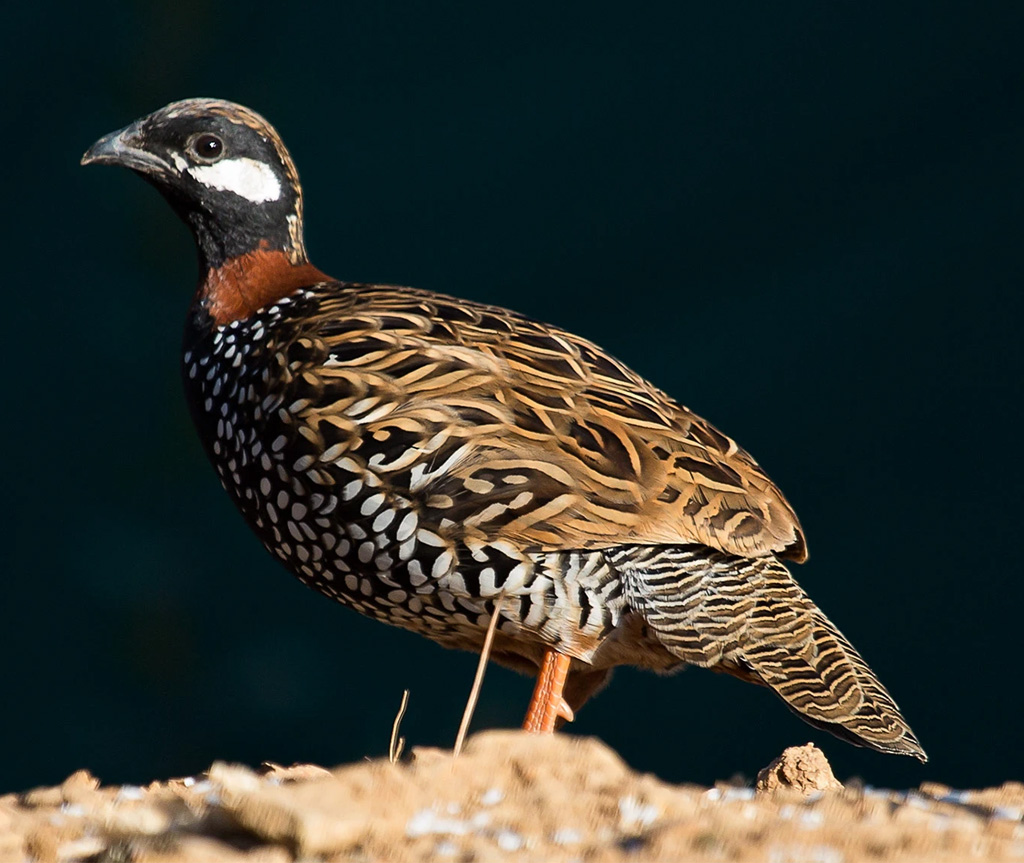
Birds of Uttarakhand: A Paradise for Birdwatchers
Uttarakhand, nestled in the lap of the Himalayas, is a treasure trove of biodiversity. The state boasts over 600 bird species and 102 mammal species, making it a haven for wildlife enthusiasts, birdwatchers, and conservationists alike. Uttarakhand is a state of India with natural beauty,wild animals and five are living in the worlds park. These birds and animals are found in the jungles of Garwal and Kuman Mandal of Uttarakhnad.
Why Uttarakhand is a Birdwatcher’s Delight
Uttarakhand is a premier birding destination in India, with over 600 recorded bird species spread across diverse ecosystems—from alpine forests to riverbanks. Its altitudinal range and protected natural habitats make it a hotspot for both endemic and migratory birds.
Top Birding Hotspots in Uttarakhand
1. Binsar Wildlife Sanctuary
- Over 230 bird species including Eurasian Jay, Forktail, and Koklass Pheasant
- Dense oak and rhododendron forests offer an ideal setting for photography and observation
2. Pangot and Kilbury Bird Sanctuary (Near Nainital)
- Home to over 250 species
- Key sightings: Himalayan Griffon, Blue-winged Minla, Rufous-bellied Woodpecker
3. Naina Devi Himalayan Bird Conservation Reserve
- Located in Nainital district
- Notable species: Hill Partridge, Chukar Partridge, Golden Bush Robin
4. Asan Barrage Wetland (Dehradun)
- Recognized as a Ramsar Site
- Rich in aquatic birds like Bar-headed Geese, Ruddy Shelduck, and Northern Pintail
Iconic Birds of Uttarakhand
Himalayan Monal (Lophophorus impejanus)
The Himalayan Monal is not just a visual marvel—it’s a symbol of Uttarakhand’s rich wildlife heritage. Revered for its radiant plumage and elusive presence, the monal holds the distinguished title of State Bird of Uttarakhand. Found in: Kedarnath, Chopta, Valley of Flowers
Cheer Pheasant (Catreus wallichii)
The Cheer Pheasant, a rare and beautiful bird of the Himalayan foothills, is one of Uttarakhand’s most enigmatic avian treasures. Known for its elusive nature and earthy tones, it plays a crucial role in the state’s ecological and conservation narrative.Endangered and endemic to the Western Himalayas.Prefers grassy slopes and shrubland habitats
Great Barbet (Psilopogon virens)
The Great Barbet is the largest barbet species in Asia and a common yet charismatic bird of Uttarakhand’s mid- and high-altitude forests. With its loud, echoing call and vibrant plumage, it’s a favorite among birdwatchers exploring the Himalayan foothills.
Brown Dipper (Cinclus pallasii)
The Brown Dipper is a unique, aquatic songbird found along the fast-flowing streams and rivers of the Himalayas. Unlike most passerines, it’s adapted to diving and swimming underwater, making it a fascinating subject for birdwatchers and nature photographers in Uttarakhand. A unique bird that dives underwater in mountain streams. Found along rivers in Gangotri and Joshimath.
Himalayan Griffon (Gyps himalayensis): The Sky Sovereign of Uttarakhand
The Himalayan Griffon Vulture is one of the largest birds of prey in the world and a commanding presence in the skies of Uttarakhand. With its massive wingspan and ecological importance as a natural scavenger, this vulture plays a crucial role in maintaining the Himalayan ecosystem.
Ghuguti: The Bird of Love, Memory & Tradition in Uttarakhand
In the hills of Uttarakhand, the Ghuguti is not just a bird—it’s a symbol of affection and festivity, deeply woven into the cultural and emotional fabric of the region. The term Ghuguti refers to the Oriental Turtle Dove (Streptopelia orientalis), a common yet cherished dove species found across the Himalayan foothills.
House Sparrow (Passer domesticus)
The House Sparrow is perhaps the most recognizable bird in the world—and Uttarakhand is no exception. Found in towns, villages, farms, and even bustling cities, this small bird has long lived alongside humans. It symbolizes coexistence, resilience, and the rhythm of daily life in the hills. Local Name in Uttarakhand: Goraiya.
Blue Whistling Thrush (Myophonus caeruleus)
The Blue Whistling Thrush is one of the most charming and melodious birds of Uttarakhand, known for its flute-like whistling call that echoes through forested valleys and mountain streams. Its striking cobalt-blue plumage and enchanting song make it a favorite among birdwatchers and nature lovers. The Blue Whistling Thrush is commonly found in: Munsyari, Kausani, Almora, Nainital, Binsar Wildlife Sanctuary, Chopta Forest Trails, along rivers and waterfalls in Garhwal and Kumaon Himalayas.
Best Time for Birdwatching in Uttarakhand
- Winter (November to February): Ideal for spotting migratory birds
- Spring (March to May): Best for catching colorful Himalayan species during breeding season
- Monsoon (June to August): Many resident species become active; fewer tourists make it peaceful for observation
Animals of Uttarakhand: Exploring the Wild Heart of the Himalayas
Nestled in the lap of the Himalayas, Uttarakhand is a haven for diverse and majestic wildlife. From elusive predators to gentle herbivores and agile mountain dwellers, the wild animals of Uttarakhand reflect the region’s rich natural heritage. The state is home to National Parks, wildlife sanctuaries, and biosphere reserves that shelter some of India’s most iconic species.
Major Wild Animals Found in Uttarakhand
Uttarakhand, often called the “Land of the Gods” (Devbhumi), is not only a spiritual haven but also a biodiversity hotspot teeming with iconic and endangered wildlife. The state’s forests, alpine meadows, and river valleys are home to a diverse array of wild animals—some rare, some revered, and all essential to the Himalayan ecosystem.
1. Bengal Tiger (Panthera tigris tigris)
- Found in Jim Corbett National Park and Rajaji Tiger Reserve
- Apex predator of the region, symbol of power and conservation success
2. Asian Elephant (Elephas maximus)
- Large herds roam the Shivalik forests of Rajaji National Park
- Known for their intelligence and matriarchal social structure
3. Himalayan Black Bear (Ursus thibetanus)
- Found in forested Himalayan slopes
- Recognizable by the white “V” mark on its chest
4. Leopard (Panthera pardus fusca)
- Common in both protected areas and near human settlements
- Adaptable and secretive big cat
5. Red Fox (Vulpes vulpes montana)
- Seen in high-altitude alpine meadows of Uttarkashi and Chamoli
- Beautiful reddish-orange coat and bushy tail
Unique and Rare Animals of Uttarakhand
Uttarakhand’s vast altitudinal range and pristine habitats make it a biodiversity treasure trove, home to several rare, endemic, and elusive species found nowhere else in India. These animals are not just ecological assets but also symbols of wilderness conservation in the Himalayas.
1. Snow Leopard (Panthera uncia)
- Rare and elusive, lives in high-altitude regions above 3,500 m
- Seen in Nanda Devi and Gangotri National Parks
- Conservation efforts underway through Project Snow Leopard
2. Himalayan Tahr (Hemitragus jemlahicus)
- Goat-like animal adapted to steep cliffs and rocky terrain
- Often seen in the Valley of Flowers and the Kedarnath Wildlife Sanctuary
3. Musk Deer (Moschus chrysogaster)
- Shy, solitary, and endangered
- Known for producing musk, once highly prized in perfumery
- Found in upper Himalayas of Chamoli and Rudraprayag
4. Himalayan Marmot
- Social rodent found in high-altitude grasslands
- Known for its whistling alarm call and hibernation habits
Herbivores of the Hills
The lush forests and alpine meadows of Uttarakhand are not only home to majestic predators but also to a remarkable variety of herbivores—the lifeblood of the Himalayan food web. These gentle grazers and browsers sustain the ecosystem by supporting predator species, aiding in seed dispersion, and shaping vegetation dynamics.
- Sambar Deer
- Barking Deer (Muntjac)
- Goral (Naemorhedus goral) – agile mountain goat-antelope
- Wild Boar
- Himalayan Serow – rare and shy, intermediate between goat and antelope
Reptiles and Amphibians
Nestled in the lap of the Himalayas, Uttarakhand’s diverse landscapes—ranging from steamy Terai grasslands to alpine meadows—create a unique habitat for a variety of reptiles and amphibians. Though less observed than birds or mammals, these cold-blooded creatures play a crucial role in maintaining ecological balance as both predators and prey.
- King Cobra (in Terai and Shivalik zones)
- Indian Rock Python
- Monitor Lizards
- Frog species adapted to both forest floors and high-altitude ponds
Birds and Mammals Together: A Balanced Ecosystem
The animals of Uttarakhand coexist with over 600 species of birds, forming an intricate food web. Predators like tigers and leopards rely on prey species, which in turn feed on rich forest vegetation. Healthy biodiversity is essential for the stability of forest ecosystems.